Your Preschooler Isn't Ignoring You. They're Just Learning How to Listen.
You've asked them three times to put their shoes on. You're standing right there. They are looking you in the eye. And somehow, somehow, nothing is happening.
If this is your daily life right now, I want you to take a breath. You are not failing at parenting. Your child is not broken. They are three.
What's Actually Going On in Their Brain
Preschoolers are not miniature adults who are deliberately choosing chaos, even though it really can feel that way sometimes. Their brains are still very much under construction. The part of the brain responsible for filtering, focusing, following instructions and controlling impulses is one of the last parts to fully develop. We're talking years of gradual growth, not months.
So when your little one hears you ask them to stop doing something and then does exactly that thing thirty seconds later, they're not winding you up. They genuinely cannot hold onto and act on that instruction the way you can. The understanding is there. The ability to stop, process and respond reliably? That's still being built.
Occupational therapists and early childhood specialists have understood this for a long time. What looks like not listening is often a body and brain that simply doesn't have all the tools yet. The wiring is still being laid.
It Shows Up Differently in Different Kids
Some preschoolers seem to drift off mid-instruction, like they left the room even though their body is still there. Others get so caught up in what they're doing that the outside world genuinely doesn't break through. Some hear you just fine but the gap between hearing and doing is enormous, and they can't quite bridge it yet.
None of these are behaviour problems. They're just different ways the same developmental stage plays out.
And honestly? The child who is deeply absorbed in play, who doesn't want to stop, who gets frustrated at transitions, that child is often showing you exactly the kind of focus and persistence that will serve them really well later. It just doesn't feel like that when you're trying to leave the house.
What Actually Helps
A few things that early childhood educators tend to find genuinely useful.
Get close before you speak. From across the room, you're competing with everything they're already engaged with. Getting down to their level and making eye contact before you give an instruction makes a real difference.
Keep it short. One instruction at a time. "Shoes on" lands better than "can you please go and find your shoes and put them on because we need to leave in five minutes."
Give them a moment. A pause between your instruction and their response isn't defiance. Their brain is processing. Wait a beat before you repeat yourself.
Transitions are hard. A gentle warning before a change helps. "Two more minutes, then we're going" gives them time to mentally prepare for what's coming instead of being pulled out of their world mid-thought.
None of this is magic, and none of it works every time. Because they're three.
The Part Nobody Tells You
Here's the thing I think gets missed in all the advice about preschooler behaviour. The goal right now isn't compliance. The goal is connection, trust and repetition. Consistent, patient repetition over a very long time.
Your child is not learning to listen in any single moment. They're learning what the world expects of them, what it feels like to be guided rather than controlled, and that the adults around them are calm and consistent, even when things are frustrating. That takes years, not weeks.
And they learn it best when they also get plenty of chances to move, to try things, to mess up without it being a big deal, and to feel capable and confident in their bodies.
The preschoolers who seem the most determined to do things their own way are often the ones with the most spirit. Your job isn't to break that. It's to help them learn where to aim it.
Why Physical Play Matters More Than You Might Think
Research into early childhood development continues to highlight the connection between body and brain. Children need opportunities to climb, roll, jump and balance because movement helps support the development of the sensory systems that underpin attention, coordination and self-regulation.
It makes sense when you think about it. A body that gets what it needs physically is a calmer body. And a calmer body is a more ready-to-listen body.
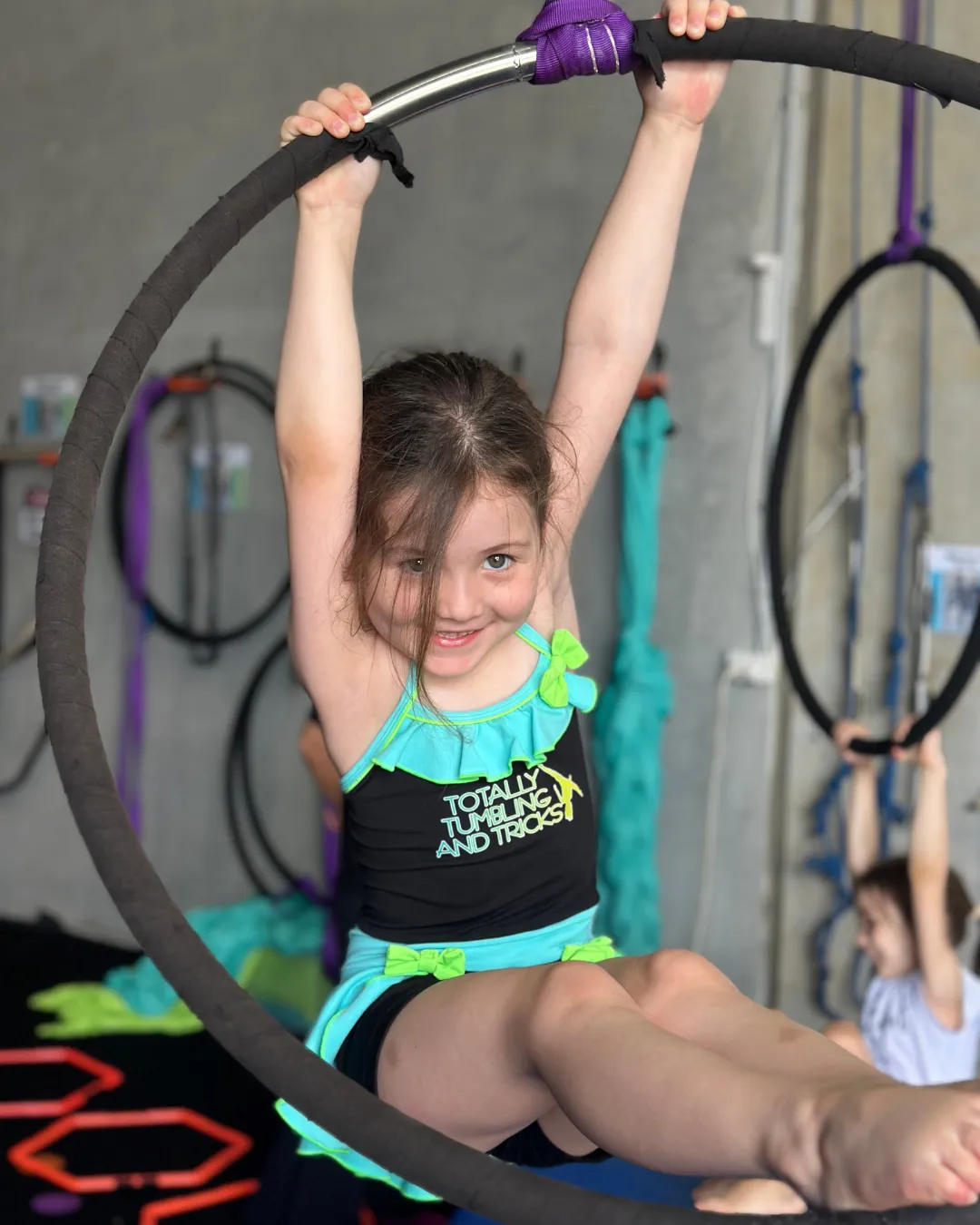
This is one of the reasons we're such big believers in tumbling and movement during the preschool years. Not because we're producing gymnasts, but because a child who gets to roll and climb and try brave things in a safe space often becomes a more settled, more confident little person across the board.
And if I can leave you with one thought, it's this.
You are not doing it wrong.
They are learning.
And so, honestly, are we all.
